Builder's Risk Insurance: Who Buys It, What It Covers, and the Coverage Gap Contractors Miss
A fire breaks out on a commercial build three months before completion. The GC assumed the owner handled the builder's risk policy. The owner assumed the GC was responsible. Nobody checked. This is the most commonly assumed-but-not-verified coverage in construction.
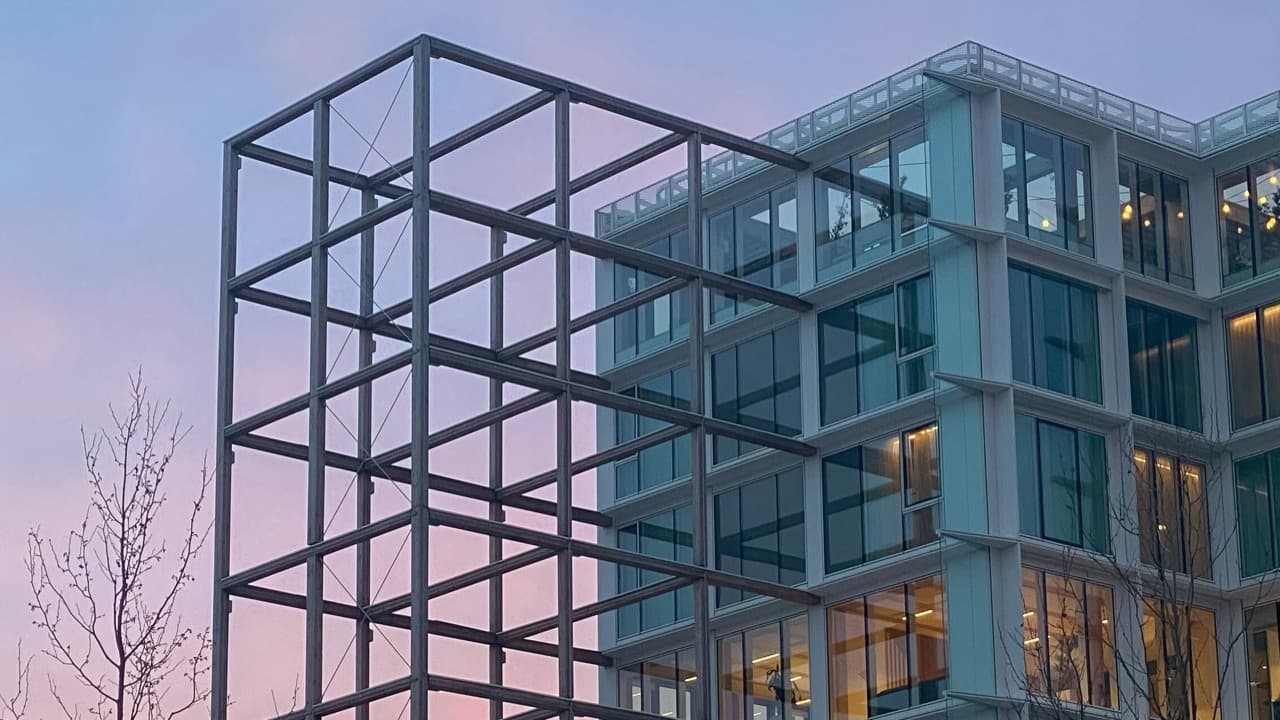
A fire breaks out on a commercial build three months before completion. The structure is damaged. Materials are destroyed. The project timeline collapses.
Then the question nobody asked at contract signing finally gets answered: who bought the builder's risk policy?
This is not a hypothetical. It is one of the most common coverage failures in construction risk management. The GC assumed the owner handled it. The owner assumed the GC was responsible. The subcontractors assumed someone above them had it covered. Nobody checked. And when the loss hit, the gap was already there.
Builder's risk is one of the most commonly assumed-but-not-verified coverages in construction. Understanding exactly who buys it, what it covers, and where it stops is essential for any contractor, subcontractor, CFO, or risk manager overseeing project risk in 2026.
What Builder's Risk Insurance Actually Is
Builder's risk is a temporary property insurance policy. It covers a structure while it is under construction — from groundbreaking through project completion or occupancy — protecting against physical loss or damage to the building itself, materials on-site, and in some cases materials in transit.
It is not a liability policy. It does not cover worker injuries, professional errors in design or project management, or your tools and equipment. Those require separate coverage lines.
Think of builder's risk as the property policy for a structure that does not yet exist as a finished asset. Once the project is accepted and the building is occupied, the builder's risk policy ends and a standard commercial property policy takes over. That boundary matters more than most buyers realize.
Who Is Responsible for Buying It
This is where most of the confusion starts.
Under the AIA A201 General Conditions — the standard framework for commercial construction contracts in the United States — the default obligation to purchase builder's risk falls on the owner. But commercial construction contracts frequently shift that obligation to the general contractor, either explicitly or through custom language that overrides the AIA default.
Responsibility for purchasing builder's risk varies project by project, contract by contract. There is no universal rule. Parties on a project often assume the default applies when it does not.
Insurance Information Institute — What Is Builder's Risk Insurance?
What makes this dangerous is that parties on a project often assume the default applies when it does not. A GC who signed a contract placing the obligation on the owner may not realize the owner passed it back through a contract rider. A subcontractor who received a certificate of insurance may assume it confirms adequate coverage when it only confirms a policy existed at the time of issuance.
Before work begins on any project, every party with financial exposure should confirm in writing who holds the builder's risk policy, what the limits are, and whether subcontractors are named as additional insureds or need to carry their own coverage.
Where Subcontractors Get Left Exposed
Subcontractors face a particular version of this problem.
On some projects, subs are added as additional insureds on the GC's or owner's builder's risk policy. On others, they are expected to carry their own. Many subcontractors never find out which situation applies until a claim arises.
Subs are often required to carry their own builder's risk coverage for their specific scope of work — especially on projects where the primary policy excludes subcontractor-installed materials or limits coverage to the structural shell. Specialty trades including electrical, mechanical, and plumbing contractors may find their work excluded from the primary policy's coverage terms entirely.
The assumption that the GC's policy covers everything on the job site is a gap that costs subcontractors real money. If your installed materials are damaged by fire, theft, or a weather event and you are not named on the policy and have not verified your coverage status, you may have no recourse.
What Builder's Risk Does Not Cover
The exclusions matter as much as the coverage. Several lines that contractors and subs expect to be included are specifically excluded from standard builder's risk policies.
Tools and Equipment
Builder's risk covers the structure under construction and materials incorporated into it — not your tools, equipment, or machinery. That exposure requires an inland marine policy, often called an equipment floater or contractor's equipment coverage. If a piece of equipment is stolen from a job site and you only have builder's risk, you have a gap.
Worker Injuries
Builder's risk is a property policy. Injuries to workers on the job site are covered by workers' compensation insurance, a separate and legally required line in most states. A builder's risk policy will not respond to a bodily injury claim.
Professional Errors
Design errors, project management failures, and professional negligence fall under errors and omissions (E&O) insurance. If a structural problem traces back to a design decision rather than a physical event, builder's risk does not respond.
Completed Operations
Once the owner accepts the project and the building is occupied, the builder's risk policy terminates. Damage or liability arising after project completion falls under the completed operations coverage in a general liability policy. If a building defect surfaces six months after handover, builder's risk is already off the table.
The Material Cost Inflation Problem
There is a second, less obvious gap that has grown significantly in 2026.
Construction material costs have risen approximately 34% since 2020. A builder's risk policy written at the start of a multi-year project — with limits based on the original budget — may be substantially underinsured by the time the project reaches its final phase.
Associated General Contractors of America — Construction Data & Economics
If a loss occurs in month eighteen of a twenty-four month project and replacement costs have risen materially since the policy was written, the coverage limit may not be sufficient to rebuild. The insured faces a coinsurance shortfall or simply runs out of coverage before the project is restored.
Most policies are written at project inception based on estimated total cost. Few are reviewed mid-project for adequacy. Rising material and labor costs are now a primary driver of coverage adequacy concerns for contractors.
The practical fix is straightforward: review builder's risk limits at regular intervals during a long project and adjust them to reflect current material costs. That requires proactive engagement with your broker — not a passive renewal.
The COI Gap That Creates a False Sense of Security
A certificate of insurance is one of the most misunderstood documents in construction risk management.
A certificate of insurance confirms that a policy existed at the time the certificate was issued. It does not confirm that the policy covers the subcontractor's specific work scope, that limits are adequate, or that the subcontractor holds additional insured status under the actual policy terms. The certificate is an administrative document, not a coverage guarantee.
International Risk Management Institute — Certificate of Insurance Definition
Subcontractors who rely on a COI without reviewing the actual policy endorsements are carrying unverified risk. The right approach is to request a copy of the additional insured endorsement, confirm your scope of work is included, and verify that policy limits reflect the project's current replacement value.
Why This Matters More in 2026
The construction risk environment has tightened. Material costs are up. Project timelines have extended. Contract language has grown more complex, with owners and GCs pushing more risk down the chain to subcontractors.
Contractors are facing increased scrutiny from underwriters — particularly around project scope, subcontractor management, and coverage verification. Carriers are asking harder questions at renewal and at new policy inception.
For mid-market contractors and specialty trades, the gap between what you think is covered and what actually is covered carries real financial consequences. A single uninsured loss on a large commercial project can exceed the annual revenue of a mid-size subcontractor.
How to Approach Builder's Risk More Deliberately
A few steps that reduce exposure before a project starts:
- Read the contract. Identify who is responsible for purchasing builder's risk before you sign. Do not assume the AIA default applies.
- Verify your status on the primary policy. If the owner or GC holds the policy, confirm in writing whether you are named as an additional insured and what your scope coverage includes.
- Check limits against current material costs. If the project spans more than twelve months, plan to review limits mid-project.
- Carry your own equipment floater. Do not assume the builder's risk policy covers your tools and machinery.
- Get the endorsement, not just the certificate. A COI is not coverage confirmation.
None of these steps are complicated. They require attention and a broker who asks the right questions before a loss — not after.
At Aiden, the risk assessment process starts before you commit to a policy. The AI risk engine processes 140+ data vectors to identify coverage gaps, misaligned limits, and exposure areas that standard broker reviews miss. Human underwriting expertise then translates that analysis into placement decisions across multiple carriers.
Frequently Asked Questions
What does builder's risk insurance cover?
Builder's risk covers physical loss or damage to a structure under construction, including the building itself and materials on-site or in transit. It is a temporary property policy that runs from project start through completion or occupancy.
Who is responsible for buying builder's risk insurance on a commercial project?
It depends on the contract. Under AIA A201, the default obligation falls on the owner. Many commercial contracts shift that obligation to the general contractor. Confirm in writing before work begins — never assume the default applies.
Are subcontractors covered under the GC's builder's risk policy?
Not automatically. Subcontractors may be named as additional insureds on the primary policy, or they may need to carry their own coverage. The only way to confirm your status is to review the actual policy endorsements — not just the certificate of insurance.
Does builder's risk cover tools and equipment?
No. Builder's risk covers the structure under construction and incorporated materials. Tools, machinery, and equipment require separate inland marine or equipment floater coverage.
What happens to builder's risk coverage when a project is completed?
The policy terminates when the owner accepts the project or the building is occupied. Liability or damage arising after that point falls under completed operations coverage in a general liability policy.
Why might builder's risk limits be inadequate mid-project?
Construction material costs have risen approximately 34% since 2020. A policy written at project inception based on the original budget may be underinsured by the time the project finishes. Limits should be reviewed and adjusted during long projects.
What is the difference between a certificate of insurance and actual coverage confirmation?
A COI confirms a policy existed at issuance. It does not confirm that the policy covers your specific scope of work, that limits are adequate, or that you hold additional insured status under the policy terms. Always request the actual endorsement.
Want a risk assessment for your business?
Aiden's AI risk engine analyzes 140+ data vectors to surface coverage gaps before a claim forces the question.
Analyze Your Risk →