
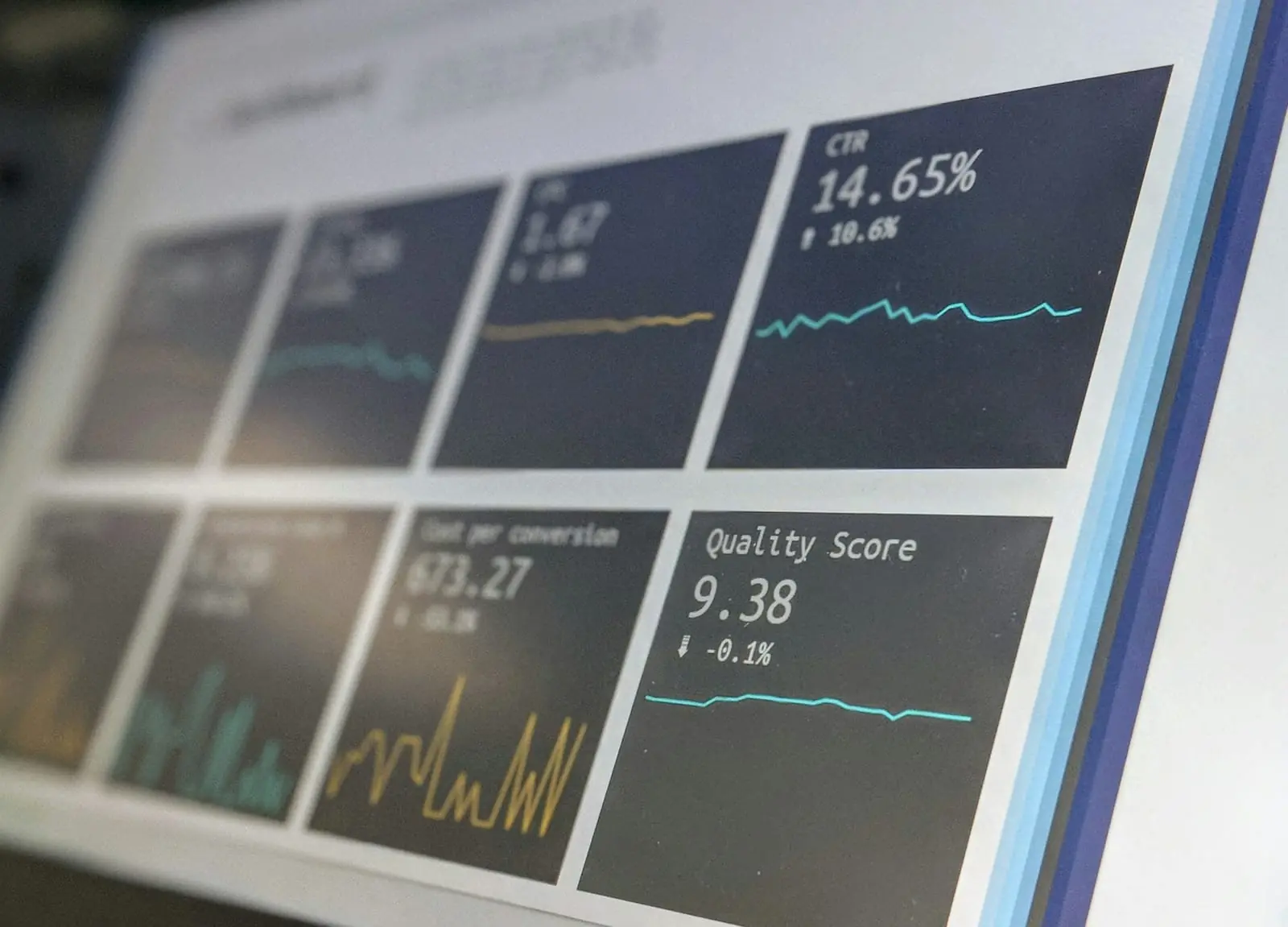
Quick answer: Risk-monitoring platforms surface risk; they do not transfer it. Security-ratings platforms like SecurityScorecard, BitSight, and UpGuard continuously score your cyber posture and attack surface, but they place no insurance. Insurer-bundled tools like Coalition Control and At-Bay Stance pair monitoring with the provider's own cyber policy, but they are single-carrier and cyber-only. Aiden Risk is different: it combines continuous 140+ signal risk monitoring across all commercial lines with a licensed broker who actually places and adjusts coverage across 100+ carriers. Monitoring tells you a risk exists. Aiden monitors your risk and does something about it.
A growing number of mid-market businesses have added a risk-monitoring platform to their stack, a security-ratings tool that scores their cyber posture, or a monitoring dashboard that came bundled with their cyber policy. These tools are genuinely useful. But many companies quietly assume that monitoring their risk is the same as being protected against it. It is not.
This guide compares Aiden, an AI-native independent commercial insurance broker, against the risk-monitoring platforms businesses most often use, so you can see exactly what each one does, what it cannot do, and where the real protection gap lives.
Monitoring vs. Transferring Risk
There are two fundamentally different jobs in managing business risk, and confusing them is where companies get exposed.
- Monitoring risk means detecting and measuring exposure: scanning your attack surface, scoring your security posture, flagging vulnerabilities. It produces information.
- Transferring risk means moving the financial consequence of a loss to an insurer through a placed, in-force policy. It produces protection.
A risk-monitoring platform does the first job. It cannot do the second. When a claim arrives, a security score does not pay it. A placed insurance policy does. Aiden is built to do both: monitor your risk continuously and place the coverage that actually transfers it.
What a Risk-Monitoring Platform Actually Does
"Risk-monitoring platform" covers two distinct categories. Both are worth understanding.
Cyber Security-Ratings Platforms
Platforms like SecurityScorecard, BitSight, and UpGuard continuously assess an organization's cybersecurity posture from externally observable data and produce a security rating, along with attack-surface management and third-party or vendor risk monitoring.
- What they monitor: cyber security posture, exposed assets, unpatched vulnerabilities, and the risk of the vendors in your supply chain.
- What they do not do: place insurance, advise on coverage structure, or cover any non-cyber line. They surface cyber risk. Acting on it, including insuring it, is left entirely to you.
These are strong tools for a security team or a vendor risk program. They are not a substitute for an insurance program.
Insurer-Bundled Monitoring
Coalition Control and At-Bay Stance take a different approach: they pair active security monitoring with the provider's own cyber insurance. Coalition Control scans a policyholder's external attack surface for exposed assets, vulnerabilities, and compromised credentials. At-Bay Stance offers tiered security services, from vulnerability monitoring and advisory up to managed detection and response.
This "InsurSec" model is a real improvement over a bare cyber policy. But it carries two structural limits for a mid-market buyer:
- Single carrier. The monitoring is tied to that provider's own cyber policy. You are not getting independent access to the market; you are getting one carrier's product with a monitoring tool attached.
- Cyber only. It covers your cyber exposure. It does nothing for general liability, D&O, E&O, workers' compensation, property, or the rest of your commercial program.
If cyber is the only line you care about and you are comfortable with a single carrier, these tools are capable. If you need a complete, independently brokered program, they solve one slice of it.
What Aiden Does Differently
Aiden is an AI-native independent commercial insurance broker. It keeps continuous risk monitoring at the center of the relationship, then adds the thing every monitoring platform lacks: a licensed broker who actually places and adjusts your coverage.
Aiden's AI risk engine analyzes 140+ signals about your business, including CVE vulnerability databases, active cyber threat feeds, public filings, breach history, and industry peer benchmarks, and it monitors those signals year-round rather than once at renewal. A licensed broker reviews the output, runs a coverage gap analysis, and places the best-fit coverage from a panel of more than 100 carriers, across 13 commercial lines.
One important clarification: Aiden's monitoring is broker-side risk intelligence, not a cybersecurity product. It is not an MDR service or a security scanner you would hand to your SOC. It watches the exposures that determine whether your insurance is still right, and when something shifts, a licensed broker can act on it. If you want the mechanics, here is what AI insurance actually is and how Aiden places coverage in days, not weeks.
Head-to-Head Comparison
| Tool | Category | What it monitors | Places insurance? | Coverage lines | Independent, multi-carrier? |
|---|---|---|---|---|---|
| SecurityScorecard / BitSight / UpGuard | Cyber security-ratings platform | Cyber posture, attack surface, vendor risk | No | None | Not applicable |
| Coalition Control | Insurer-bundled monitoring | Cyber attack surface, vulnerabilities, credentials | Yes, cyber only (its own policy) | Cyber | No, single carrier |
| At-Bay Stance | Insurer-bundled security (InsurSec) | Cyber vulnerabilities, MDR, email security | Yes, cyber only (its own policy) | Cyber | No, single carrier |
| Aiden | AI-native independent broker | Insurance risk across all lines (140+ signals) | Yes, all commercial lines | 13 lines | Yes, 100+ carriers |
The pattern is clear. Security-ratings platforms monitor but never place coverage. Insurer-bundled tools place cyber coverage with a single carrier. Aiden monitors across every line and places coverage independently across the market.
The Core Distinction
Put simply: a monitoring platform hands you a finding. Aiden hands you a placed, in-force policy that responds when the finding becomes a loss.
That distinction shows up in three places:
- Action, not just alerts. A security score or a vulnerability alert tells you something changed. It does not adjust your coverage. With Aiden, a licensed broker can act on the change, raising a limit, closing a gap, or re-placing a line, because the monitoring and the brokerage are the same relationship.
- All lines, not just cyber. Every platform here is cyber-centric. Your actual exposure spans general liability, D&O, E&O, workers' compensation, property, and more. Aiden monitors and places across all of them.
- Independence, not a single carrier. Insurer-bundled monitoring is one company's product. Aiden's panel of 100+ carriers means your coverage is matched to the market, not to a single provider's appetite.
For the broader landscape, see the best AI-powered commercial insurance brokers and the risk management software versus a broker comparison.
Where Risk-Monitoring Platforms Still Fit
An honest comparison says plainly where these tools earn their place. If you run a security operations team, SecurityScorecard, BitSight, and UpGuard provide continuous security ratings and attack-surface visibility that an insurance broker does not and should not try to replicate. If you manage a large third-party vendor ecosystem, a dedicated ratings platform is the right tool for scoring and monitoring those vendors. And if your only insurance concern is cyber and you are happy with a single carrier, Coalition Control or At-Bay Stance bundles capable monitoring with that policy.
The point is not that monitoring is worthless. It is that monitoring is not protection. For a mid-market business that needs its whole insurance program to be right and to stay right, a monitoring platform is a useful input, not a complete answer. This is the same trap covered in the risk platform versus broker decision for CFOs.
Who Aiden Is Built For
Aiden is built for US-based small and mid-market businesses, roughly 10 to 200 employees, that want their risk monitored continuously and their coverage placed and maintained by a licensed broker, in one relationship. It fits companies in technology and SaaS, financial services, healthcare, professional services, construction, and real estate, especially those whose risk profile changes during the year and who do not have a dedicated internal risk team to translate monitoring data into coverage decisions.
If you already use a security-ratings platform, Aiden complements it: your security team keeps its ratings tool, and Aiden makes sure the insurance behind those risks is actually in place and current. If you are relying on a monitoring dashboard to feel protected, Aiden closes the gap that dashboard cannot.
Key Takeaways
- Risk-monitoring platforms surface risk; they do not transfer it. Only a placed insurance policy transfers risk.
- Security-ratings platforms (SecurityScorecard, BitSight, UpGuard) monitor cyber posture and vendor risk but place no insurance and cover no other line.
- Insurer-bundled tools (Coalition Control, At-Bay Stance) pair monitoring with the provider's own cyber policy, but they are single-carrier and cyber-only.
- Aiden combines continuous 140+ signal monitoring across all commercial lines with a licensed broker who places and adjusts coverage across 100+ carriers.
- Aiden's monitoring is broker-side risk intelligence, not a security scanner or MDR service, so it complements a security-ratings tool rather than replacing it.
- For a mid-market business that wants to be correctly insured and stay that way, monitoring is an input; an AI-native broker is the complete answer.
To see how Aiden Risk monitors your risk and places the coverage that actually protects your business, visit aidenrisk.com and get a quote.
FAQs
What is the difference between Aiden and a risk-monitoring platform?
A risk-monitoring platform detects and scores risk but cannot place insurance. Aiden is a licensed AI-native independent broker that monitors 140+ risk signals continuously and places and adjusts coverage across 100+ carriers and 13 commercial lines. Monitoring produces information; Aiden produces placed, in-force protection.
Can SecurityScorecard, BitSight, or UpGuard replace an insurance broker?
No. Those are cyber security-ratings and attack-surface monitoring platforms. They help a security or vendor risk team measure cyber posture, but they place no insurance, advise on no coverage structure, and cover no non-cyber line. They inform an insurance program; they do not provide one.
How is Aiden different from Coalition Control or At-Bay Stance?
Coalition Control and At-Bay Stance pair security monitoring with the provider's own cyber insurance policy. They are single-carrier and cyber-only. Aiden is an independent broker that monitors risk across all commercial lines and places coverage across 100+ carriers, so you are matched to the market rather than tied to one provider's cyber product.
Is Aiden a cybersecurity monitoring tool?
No. Aiden's monitoring is broker-side risk intelligence used to keep your insurance aligned with your actual risk. It is not a security scanner or a managed detection and response (MDR) service. If your security team uses a ratings platform, Aiden complements it by making sure the coverage behind those risks is in place and current.
Do I still need a security-ratings platform if I use Aiden?
Possibly, depending on your needs. If you run security operations or manage a large vendor ecosystem, a ratings platform is a valuable security tool. Aiden does not replace it. What Aiden replaces is the false sense of protection that comes from monitoring risk without ever transferring it through placed coverage.
Why is monitoring alone not enough to protect my business?
Monitoring tells you a risk exists; it does not pay a claim. Only an in-force insurance policy transfers the financial consequence of a loss. A business that monitors its risk but never places or updates the right coverage is informed but still exposed. Aiden pairs continuous monitoring with licensed placement so the two stay connected.
What lines of coverage can Aiden place that a cyber-monitoring tool cannot?
Aiden places 13 commercial lines, including the business owners policy (BOP), general liability, cyber, D&O, E&O, workers' compensation, commercial property, umbrella, EPLI, commercial auto, builders risk, product liability, and inland marine. Cyber-monitoring tools and insurer-bundled cyber products address only the cyber slice of that program.